
The South's Most Elusive Artist: Walter Inglis Anderson
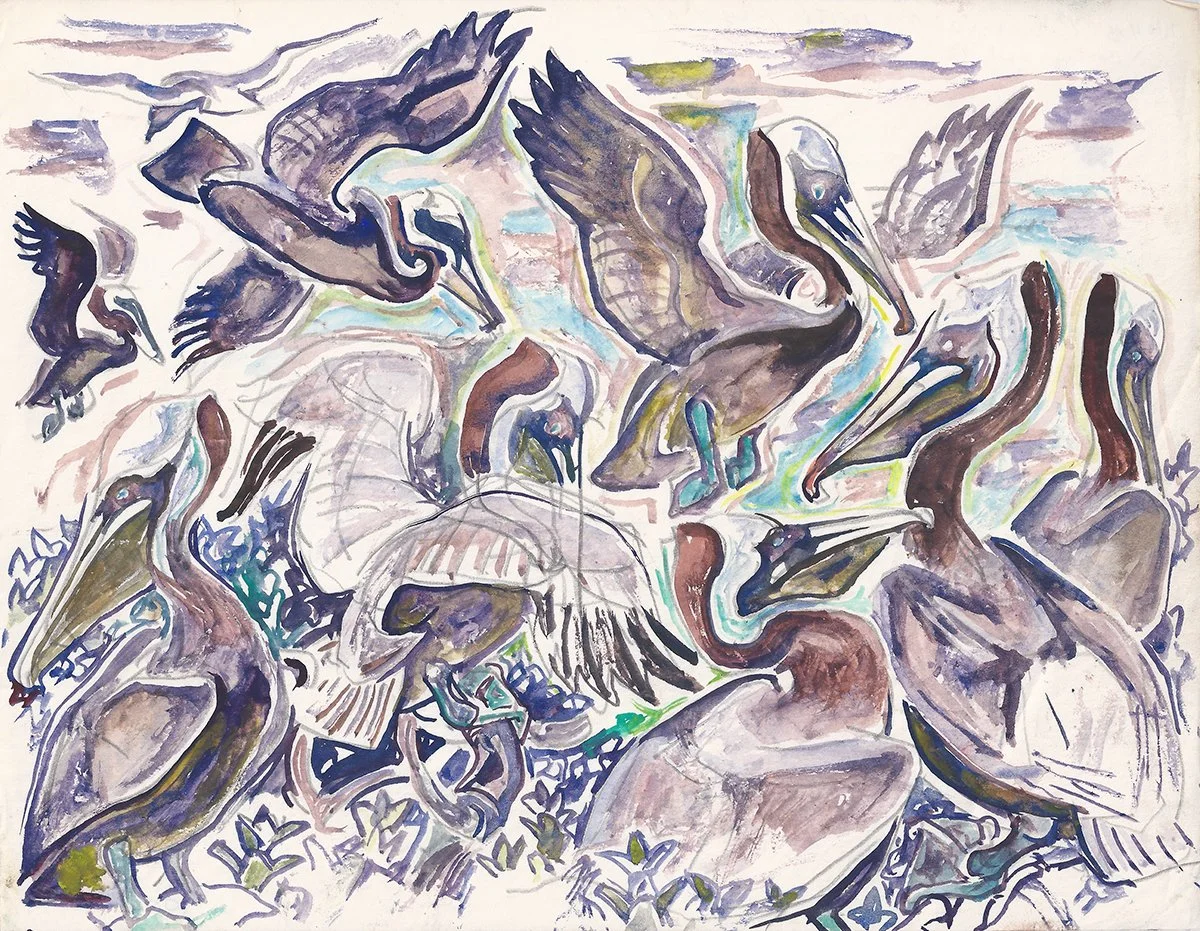
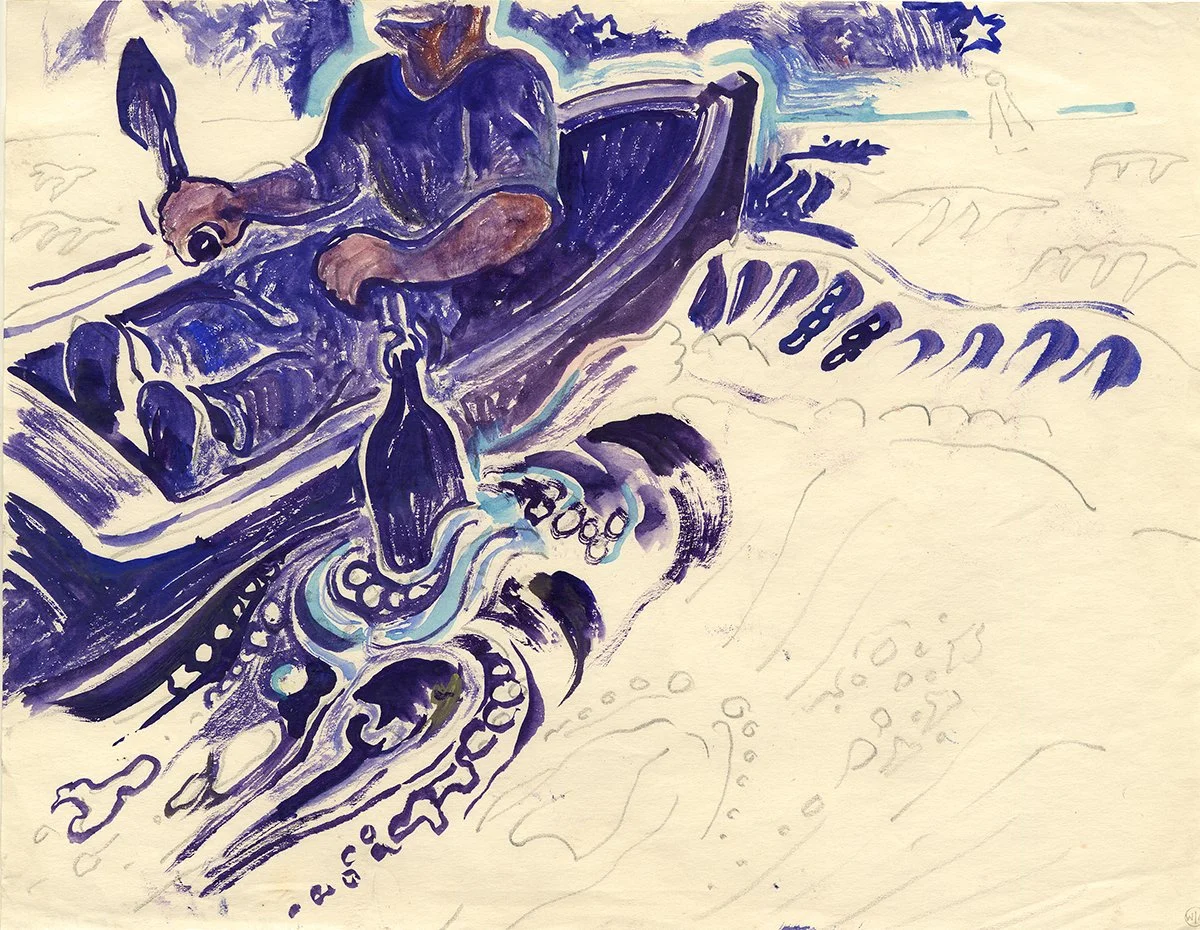
ABOUT THE EXHIBITION
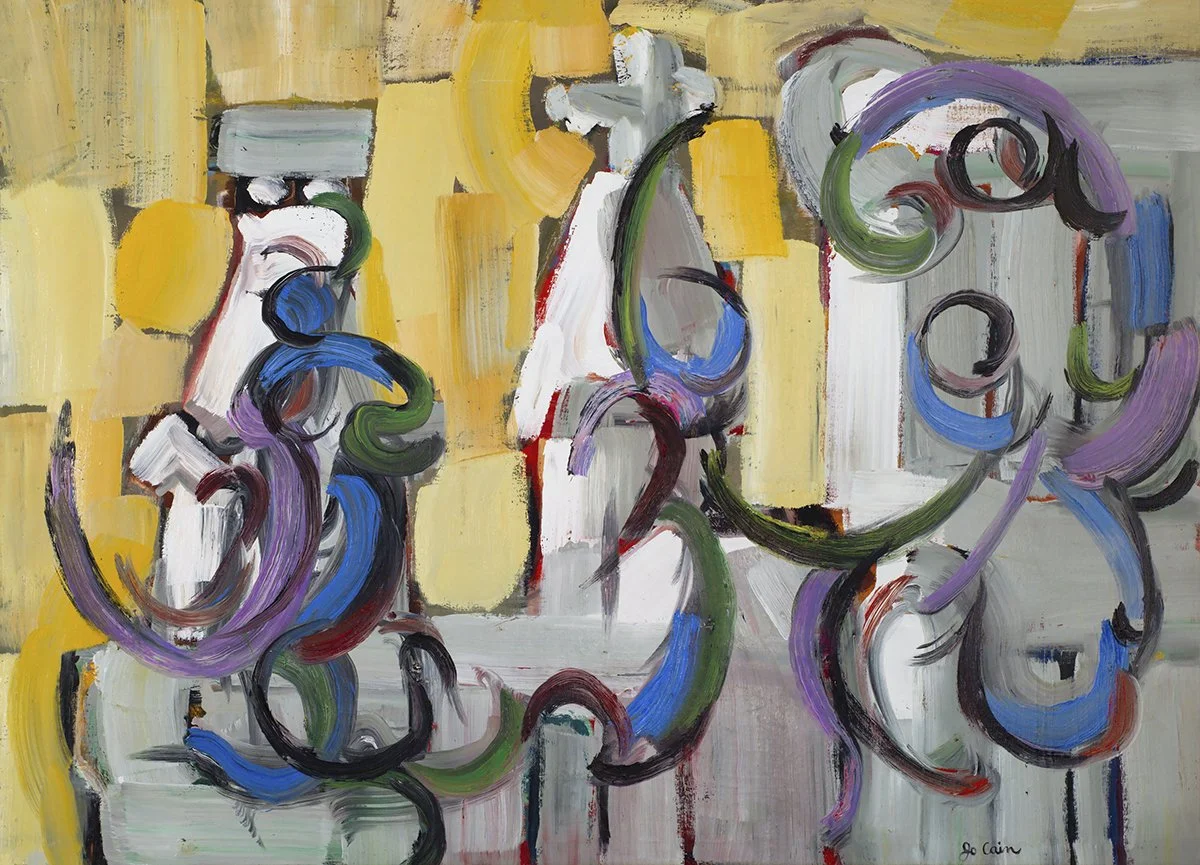
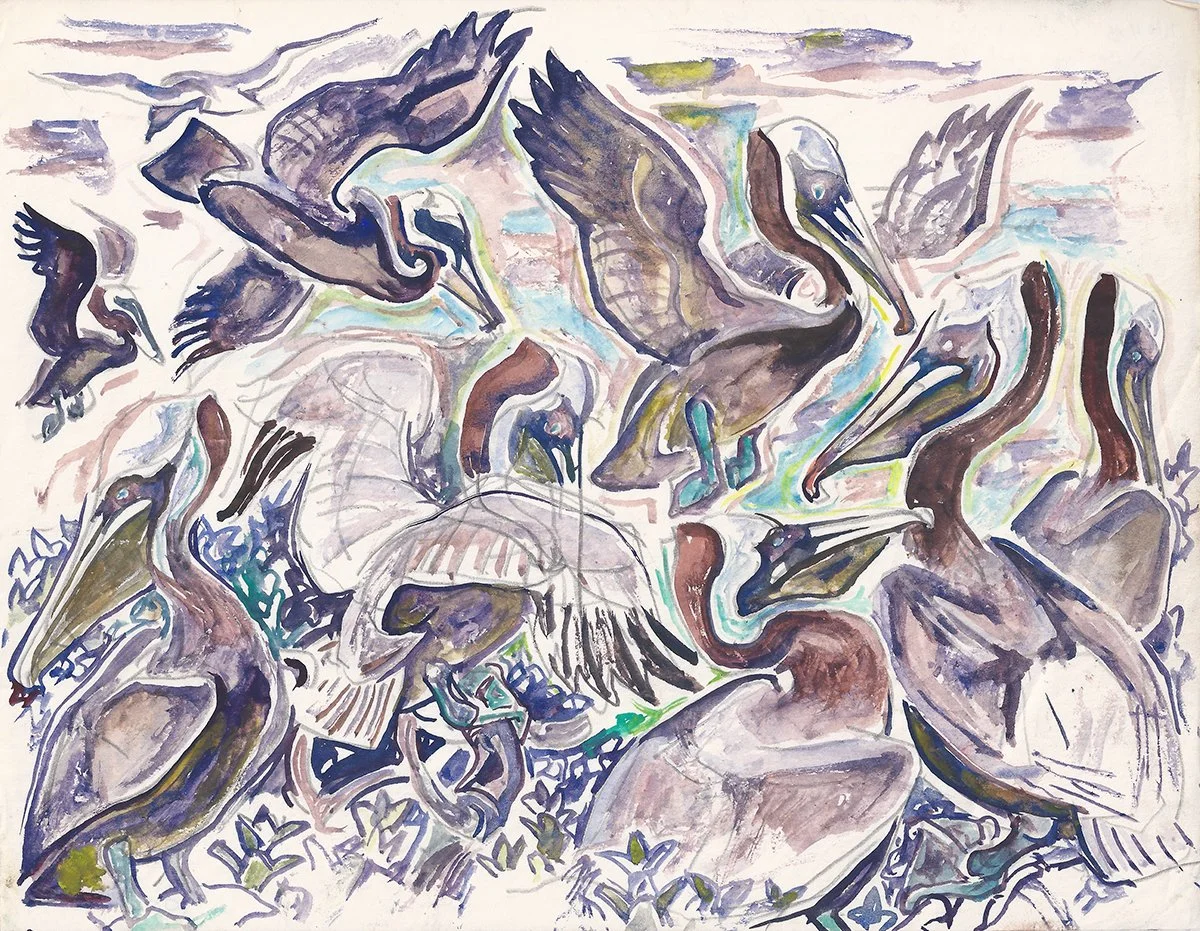
The LSU Museum of Art is pleased to host The South’s Most Elusive Artist: Walter Inglis Anderson, an exhibition of over 40 works by American artist, Walter Inglis Anderson. The exhibition is organized by the Walter Anderson Museum of Art (WAMA) in Ocean Springs, MS, and draws from WAMA’s Permanent Collection and that of the Estate of Walter Anderson. The exhibition includes rarely seen watercolors, block prints, ceramics, and sketches alongside some of Anderson’s most recognizable and iconic works. This exhibition will be on view at the LSU Museum of Art from September 17, 2026–January 3, 2027.
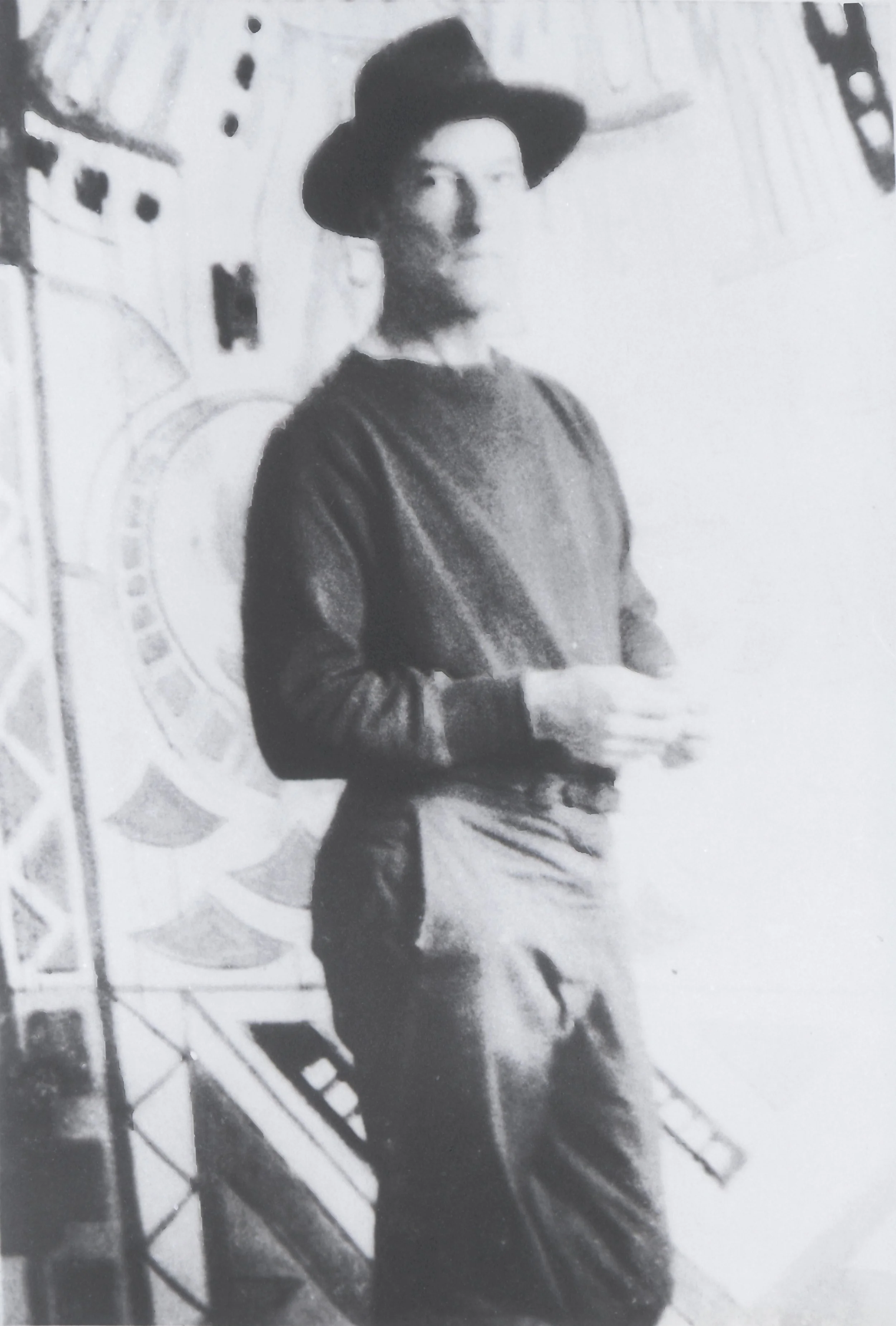
Walter Inglis Anderson, Image courtesy of the Walter Anderson Museum of Art, Ocean Springs, Mississippi.
Born in 1903 on Broadway Street in New Orleans, Louisiana, Anderson came of age during a period of rapid modernization across the American South. As industrialization reshaped the mainland, he increasingly sought refuge in the solitude of the natural world, particularly the barrier islands beyond the Mississippi Sound. His subject matter ranges widely—from the Indigenous inhabitants of the Gulf Coast to the endangered birds and animals that once freely roamed its shorelines. He is perhaps best known for his intimate watercolors of Horn Island, a remote barrier island twelve miles off the coast of Ocean Springs, Mississippi. Rowing alone in a small skiff, Anderson spent days observing and recording the island’s flora and fauna, often working on simple 8.5 x 11-inch sheets of typing paper. These modest materials belie the power of the resulting images, which capture both the majesty and the fierce unpredictability of the natural world.
Anderson’s artworks and writings serve as meditations on perception and presence. “The realization of form and space is through feeling,” he wrote. “When I feel the beauty of a flower on the trunk of a tree, I am at once inducted into a world of three dimensions and have a sense of form which is opposite of artificial forms and conventions.” His reflections illuminate the philosophical core of the artist’s practice: a belief that careful attention to nature offers transcendence and renewal.
Anderson lived a life marked by privacy and periods of self-imposed isolation. Yet he left behind an almost complete artistic record, from childhood drawings to works created in the final days of his life, many preserved in his coastal cottage in Ocean Springs. Through these drawings, paintings, and ceramic works, viewers encounter not only the landscapes and creatures of the Gulf Coast, but also the inner life of an artist who struggled against human frailty and found profound meaning in the rhythms of the natural world. The South’s Most Elusive Artist: Walter Inglis Anderson offers a rare opportunity to engage with a body of work that continues to astonish and delight, reconnecting us to the beauty, complexity, and fragile wonder of the environment that surrounds us.
This exhibition is on loan from the Walter Anderson Museum of Art in Ocean Springs, Mississippi.
It will be on view September 17, 2026–January 3, 2027 at the LSU Museum of Art.
Upcoming Lectures and Programs

Past Events
Press

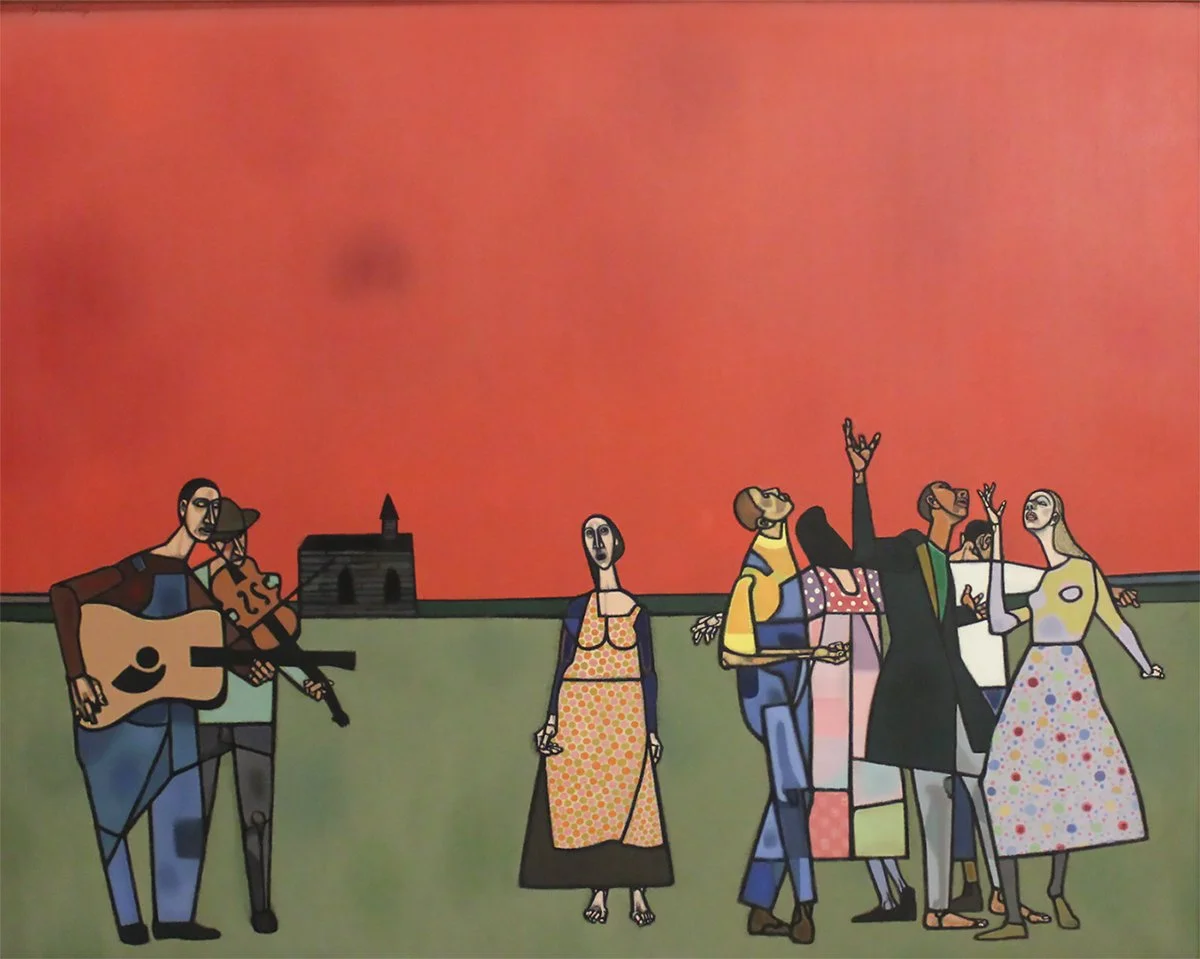
Southern Gothic: Literary Intersections with Art from The Johnson Collection opens October 1, 2026 at the LSU Museum of Art. Learn more in this press release.